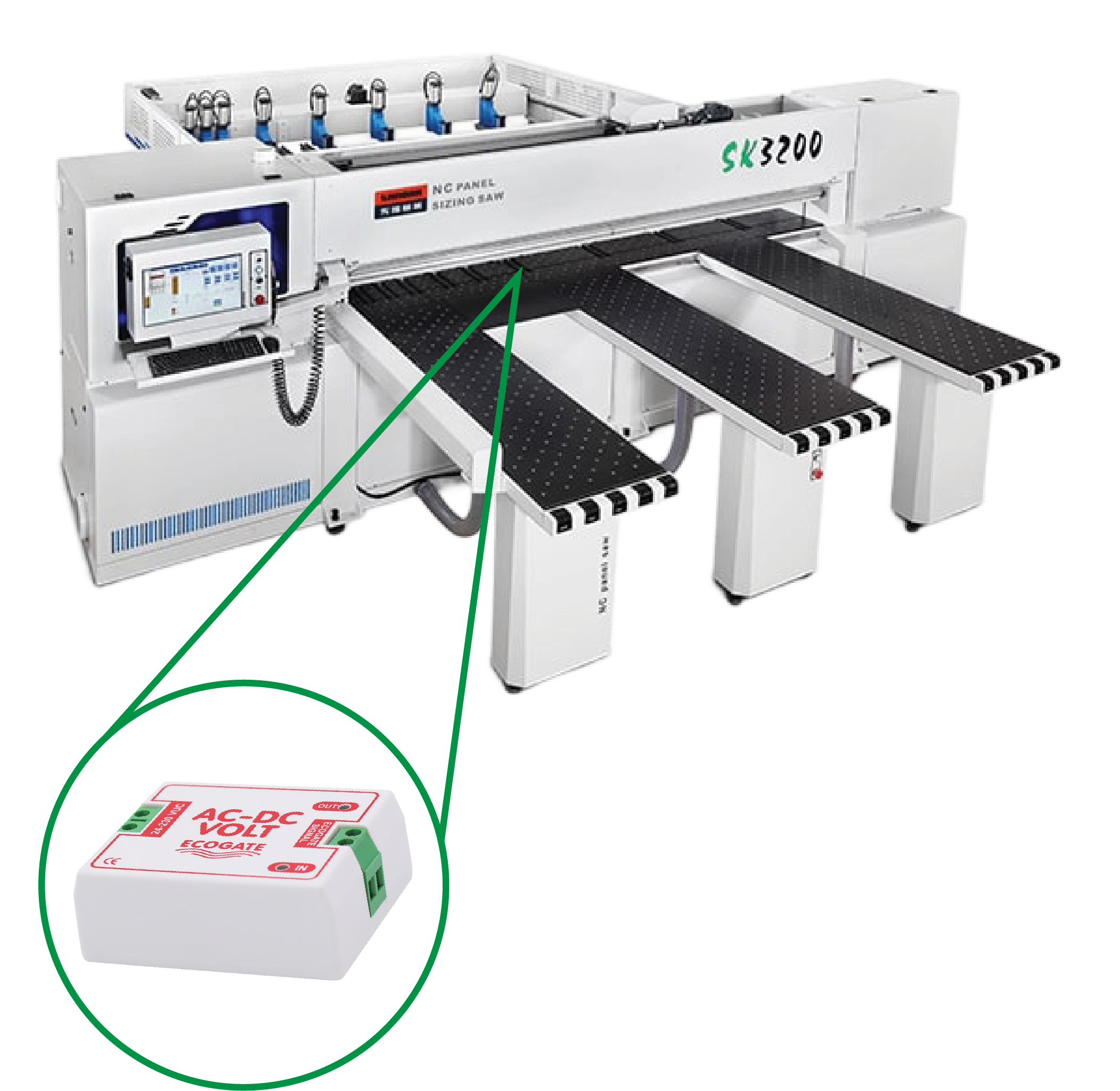
Sense production demand
Activity sensors detect when a machine or collection point requires ventilation, so the system responds to real production demand.
Explore Workstation Activity Sensors →Ecogate senses which workstations need collection, directs airflow to those locations, calculates total system demand, adjusts fan speed, and continuously protects the designed minimum transport velocity.
This animation shows how an Ecogate On-Demand system responds to welding activity, directs extraction airflow to active work areas, and adjusts fan demand as production changes.
Ecogate definedAn On-Demand Control System for industrial dust, fume, and mist collection that matches ventilation airflow to real-time production demand.
Workstations spend time loading, unloading, being programmed, cleaned, maintained, or waiting for the next part. The opportunity begins with the difference between a machine being available and a machine actively requiring collection.
Actual workstation-utilization data from a U.S. woodworking facility.
Sensors, gates, the greenBOX controller, fan-speed regulation, measurement, and reporting operate as one coordinated system. Each layer receives or confirms the same demand signal as production changes.
Activity sensors detect when a machine or collection point requires ventilation, so the system responds to real production demand.
Explore Workstation Activity Sensors →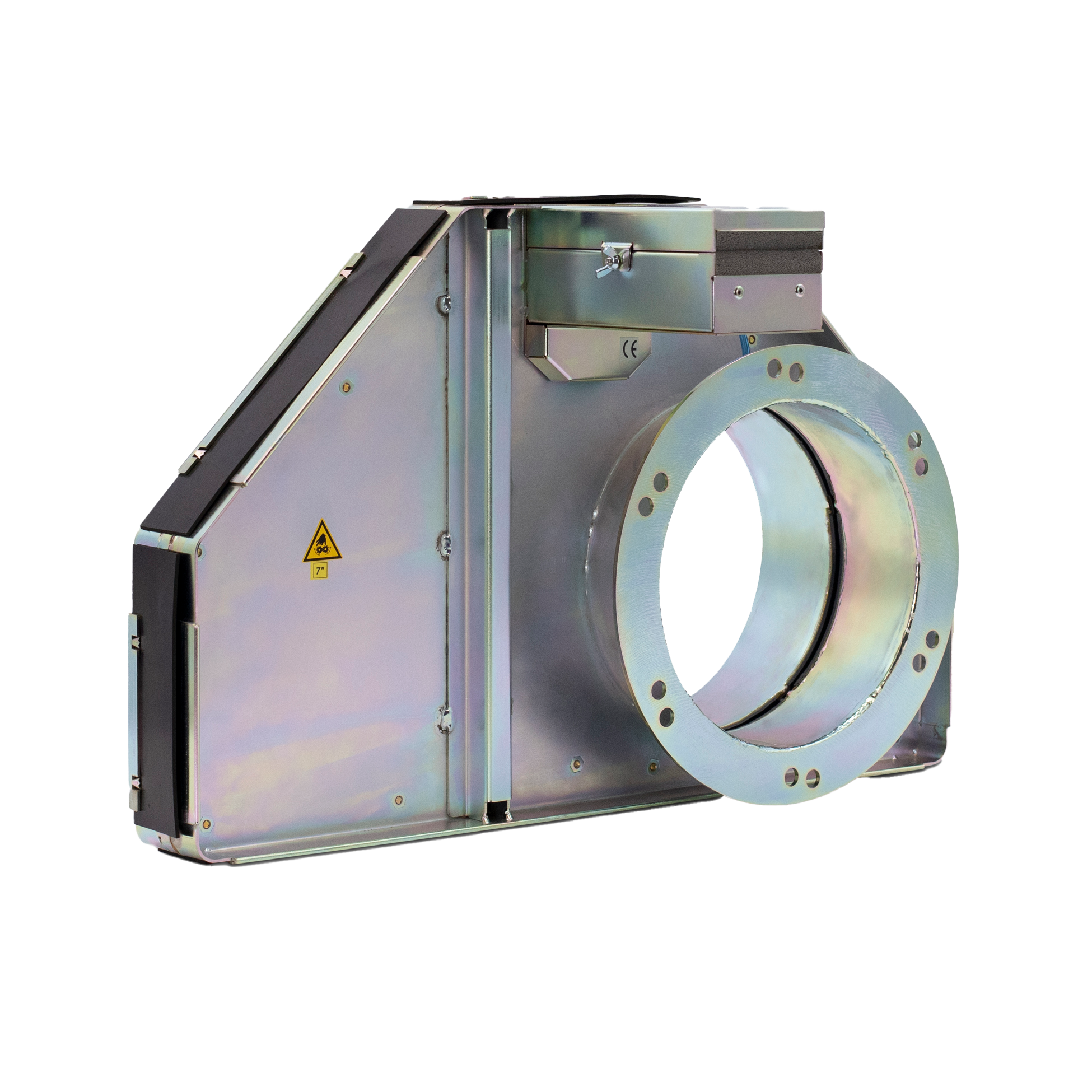
The corresponding automatic gate opens to direct airflow to the active workstation. Smart and Precision Airflow Gates can also report pressure, velocity, and volume.
Explore Ecogate Smart Gates →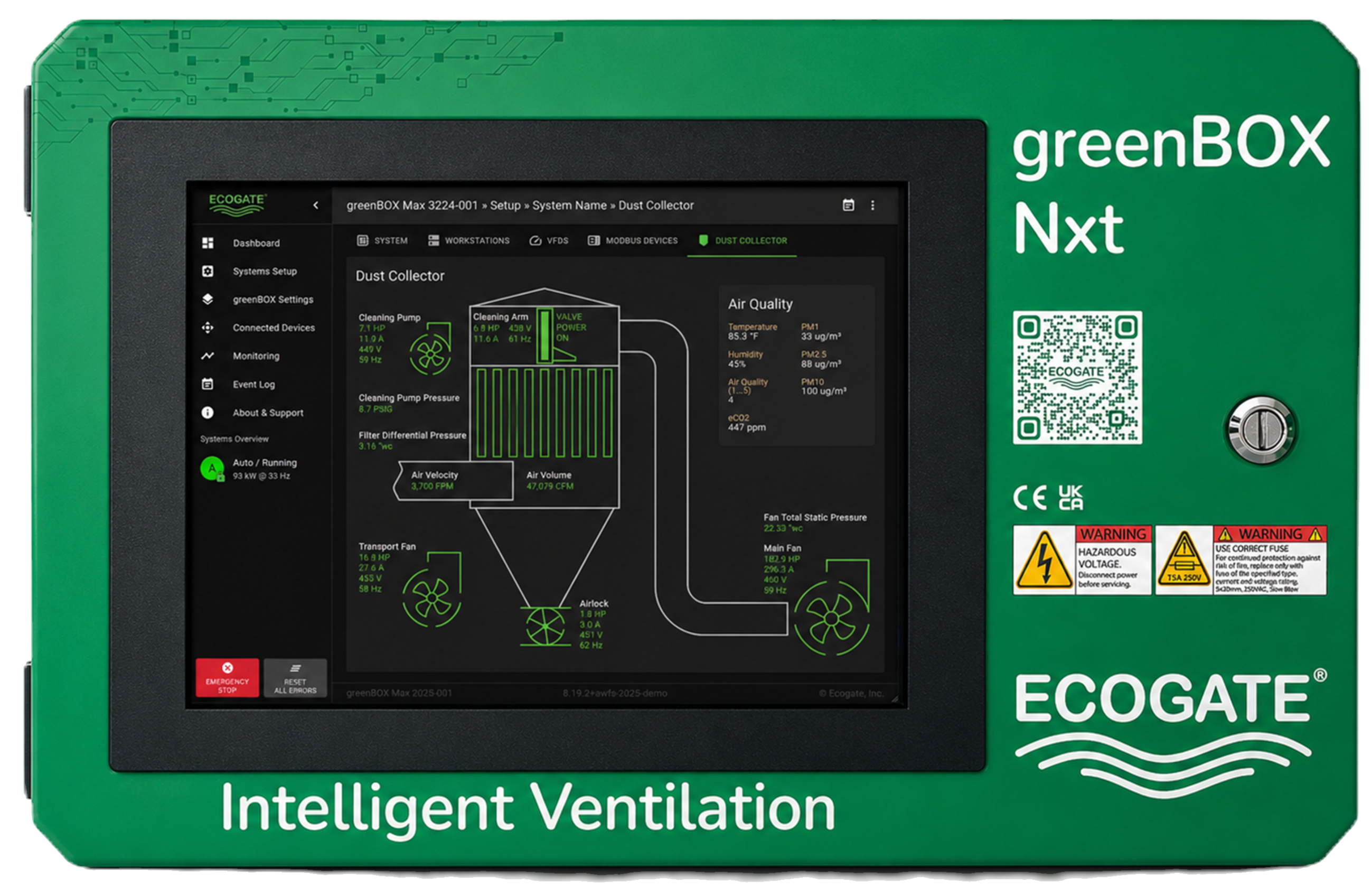
The greenBOX combines demand across the duct system, calculates the required fan airflow, and protects the configured minimum transport velocity.
Explore the greenBOX →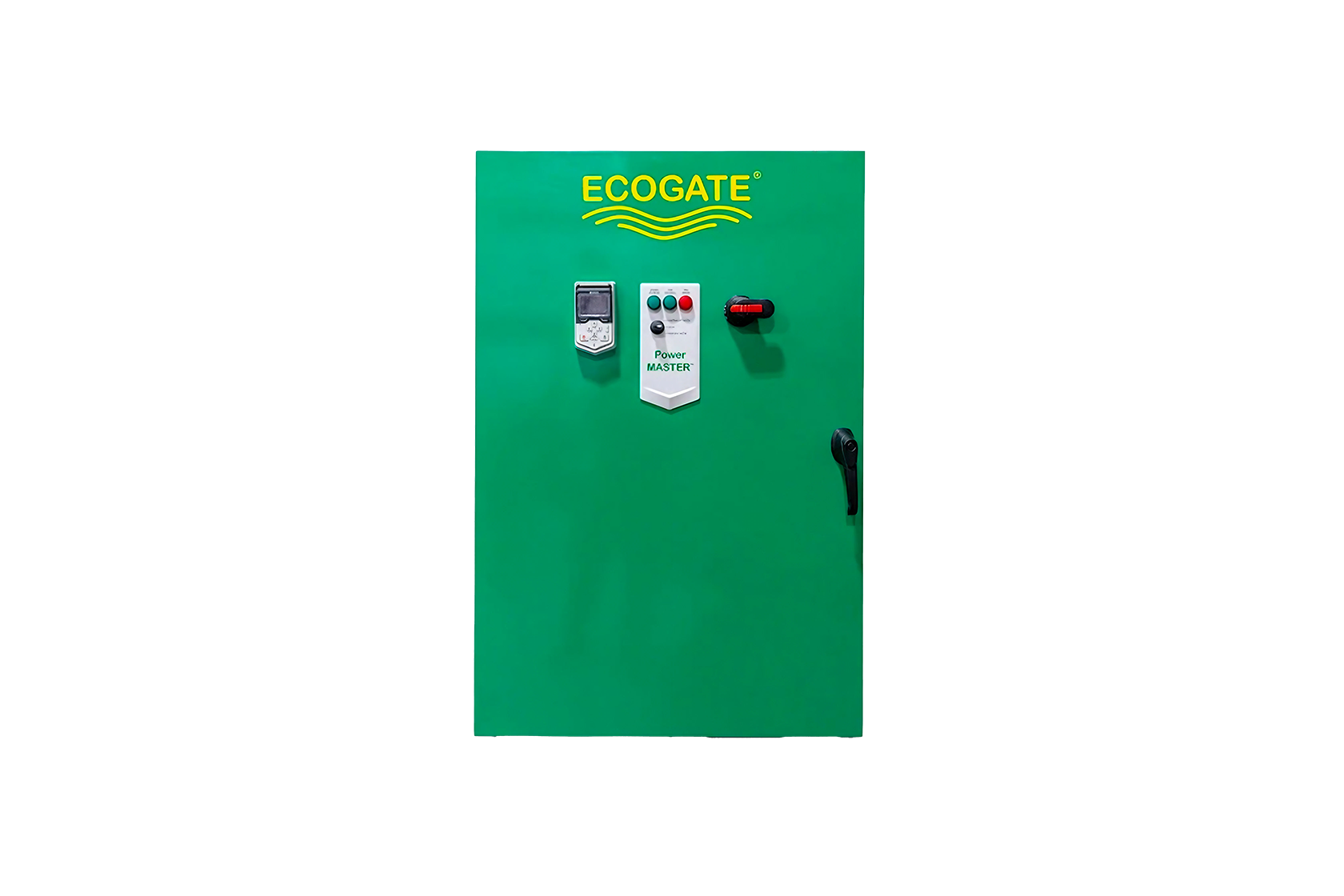
Power Master follows the airflow command from the greenBOX and regulates fan speed as the combination of active workstations changes.
Explore Power Master VFD →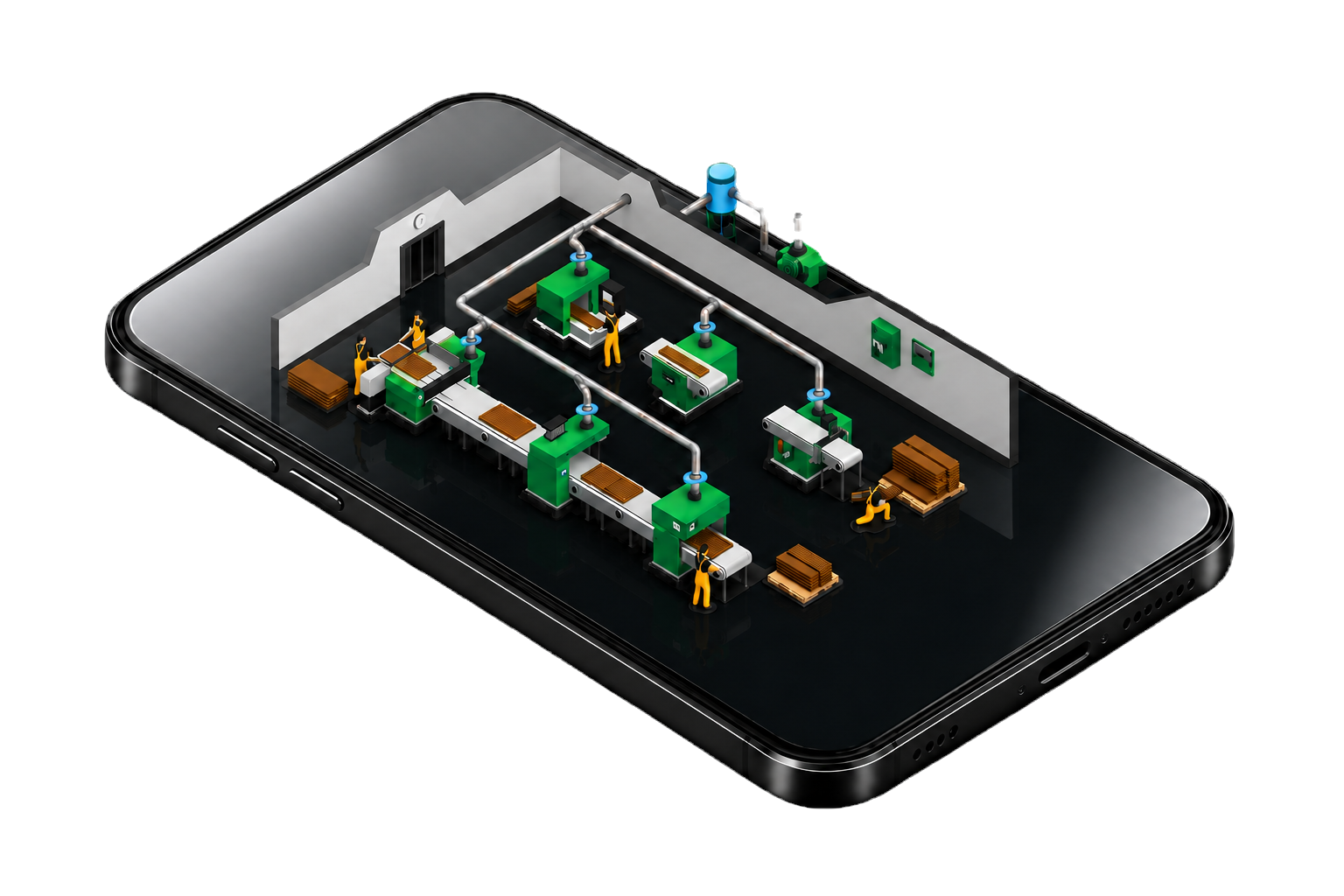
System measurements and Ecogate Analytics make airflow, pressure, fan power, savings, utilization, and performance visible.
Explore Ecogate Analytics →Select a production scenario or individual workstations. Watch the greenBOX continuously recalculate demand, direct airflow through Smart Gates, open additional gates when needed to protect minimum transport velocity, and command the Power Master VFD as production changes.
This simulator is an educational representation. Displayed airflow, fan power, and velocity thresholds are illustrative. Actual requirements and performance depend on the collected material, connected equipment, configured air volumes, duct conditions, commissioning, and calibration.
Because fan power follows an approximately cubic relationship with airflow, the energy impact can be much larger than the airflow reduction. Move the control to see the theoretical relationship.
10% reduction in airflow → ~27% energy savings
25% reduction in airflow → ~58% energy savings
50% reduction in airflow → ~87.5% energy savings
The interactive curve shows that fan power changes approximately with the cube of airflow.
The curve illustrates Fan Affinity Law physics. Actual savings depend on fan efficiency, pressure losses, production demand, system condition, and the final engineered configuration.
Dust collection fans can be among a factory's largest electrical loads, which is why modest airflow reductions can create outsized savings.
Ecogate identifies the operating range between design airflow and the configured minimum transport velocity. The fan can slow within that range while active workstation drops continue receiving their required design airflow and the greenBOX manages branch and main-duct airflow.
Drag the handle to see how fan speed and theoretical power change within the illustrative safe transport-velocity range.
Safe operating range: the control is limited to the illustrative 3,500–4,500 FPM range. Material-specific requirements vary.
Duct air velocity (FPM)
Active workstation drops continue receiving their required design airflow. In this illustrative 3,500/4,500 FPM example, approximately 77% of design airflow is still required to maintain the minimum. If active workstations alone do not provide enough airflow, the greenBOX can open selected inactive gates or designated bleed gates to protect the configured minimum transport velocity.
Ecogate uses application-appropriate activity sensors, including voltage, current, laser, timer, and manual-input options. The sensor signal tells the greenBOX when the workstation requires collection so the corresponding gate logic can respond.
The greenBOX calculates the airflow required across the complete duct system and configured duct zones. If the active workstations alone do not provide enough airflow to maintain the configured minimum transport velocity, the system opens additional selected gates or designated bleed gates.
No. Active workstation drops must continue receiving their required design air velocity and design air volume. Ecogate modulates airflow in the main ducts and branch lines within the engineered operating range.
No. The cubic curve explains the Fan Affinity Law relationship. Ecogate project savings estimates use measured system conditions and a conservative calculation methodology. Final results depend on the fan, ductwork, pressure losses, production demand, system condition, and installed configuration.
No single control product guarantees complete facility compliance. A properly designed, installed, and calibrated Ecogate system is designed to fulfill the relevant control-system requirement for maintaining minimum transport velocity when gates operate. Full compliance also involves system design, hazard analysis, housekeeping, installation, and Authority Having Jurisdiction requirements.
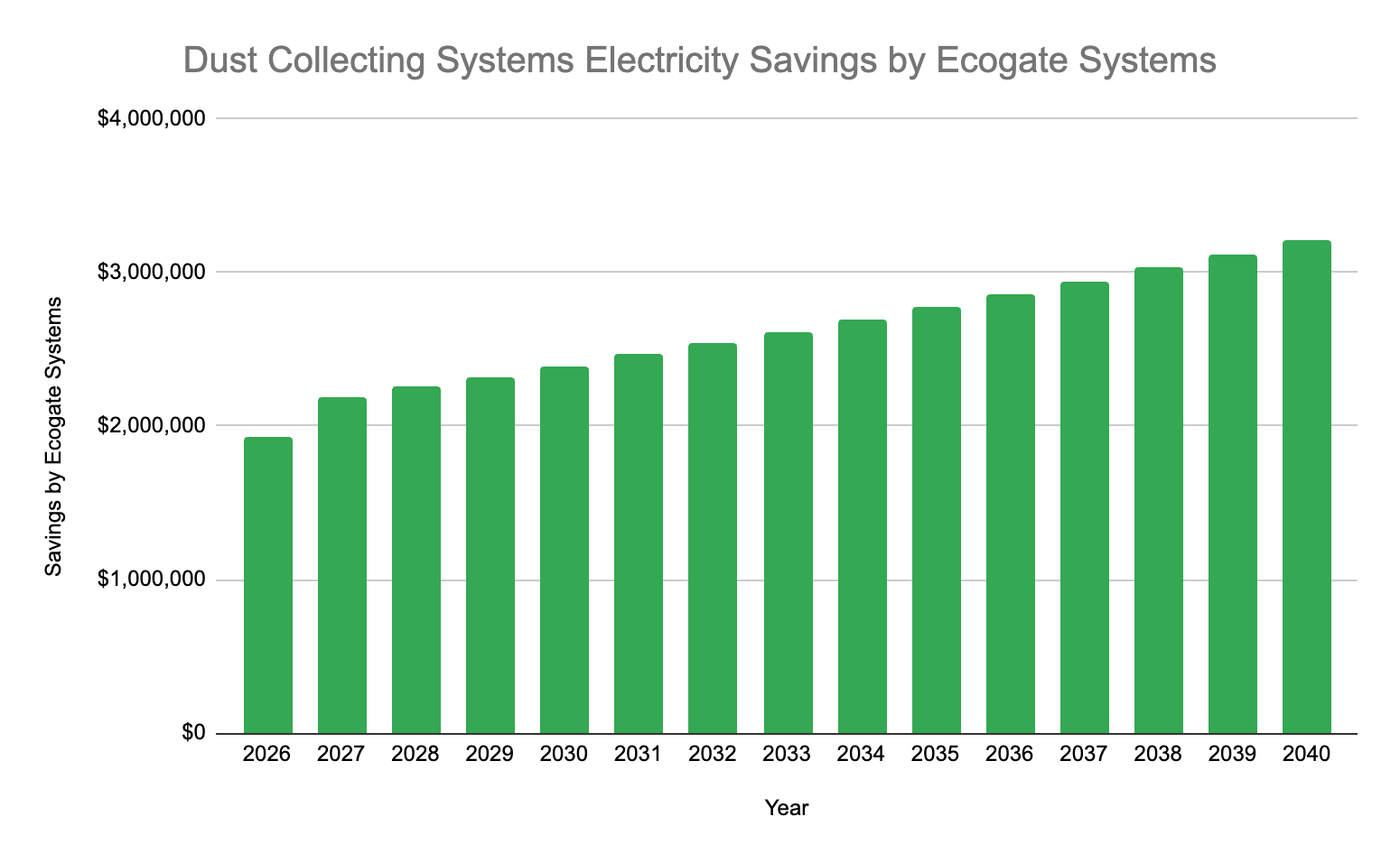
At Ecogate's second-largest customer, a U.S. manufacturer operating 18 Ecogate systems, measured electricity savings reached $1,925,090 in 2026 against a traditional operating cost of $3,418,904. That represents an immediate 56.3% reduction in dust-collection-system energy expenses.
Annual savings for this customer are projected to reach $2,189,518 in 2027 as four additional Ecogate systems become operational. The 2028 to 2040 projection models industrial electricity rates increasing at a steady nominal rate of 3% per year.
At its Ferndale, Washington facility, Metrie applied Ecogate across three dust collection systems. Workstation sensors, Smart Gates, the greenBOX, and three Power Master VFDs matched airflow to production demand while maintaining safe conveying velocities.
Read the Metrie case study →Ecogate engineering can compare design air volume, actual air volume, and working air volume to identify the system's real operating and savings opportunity.