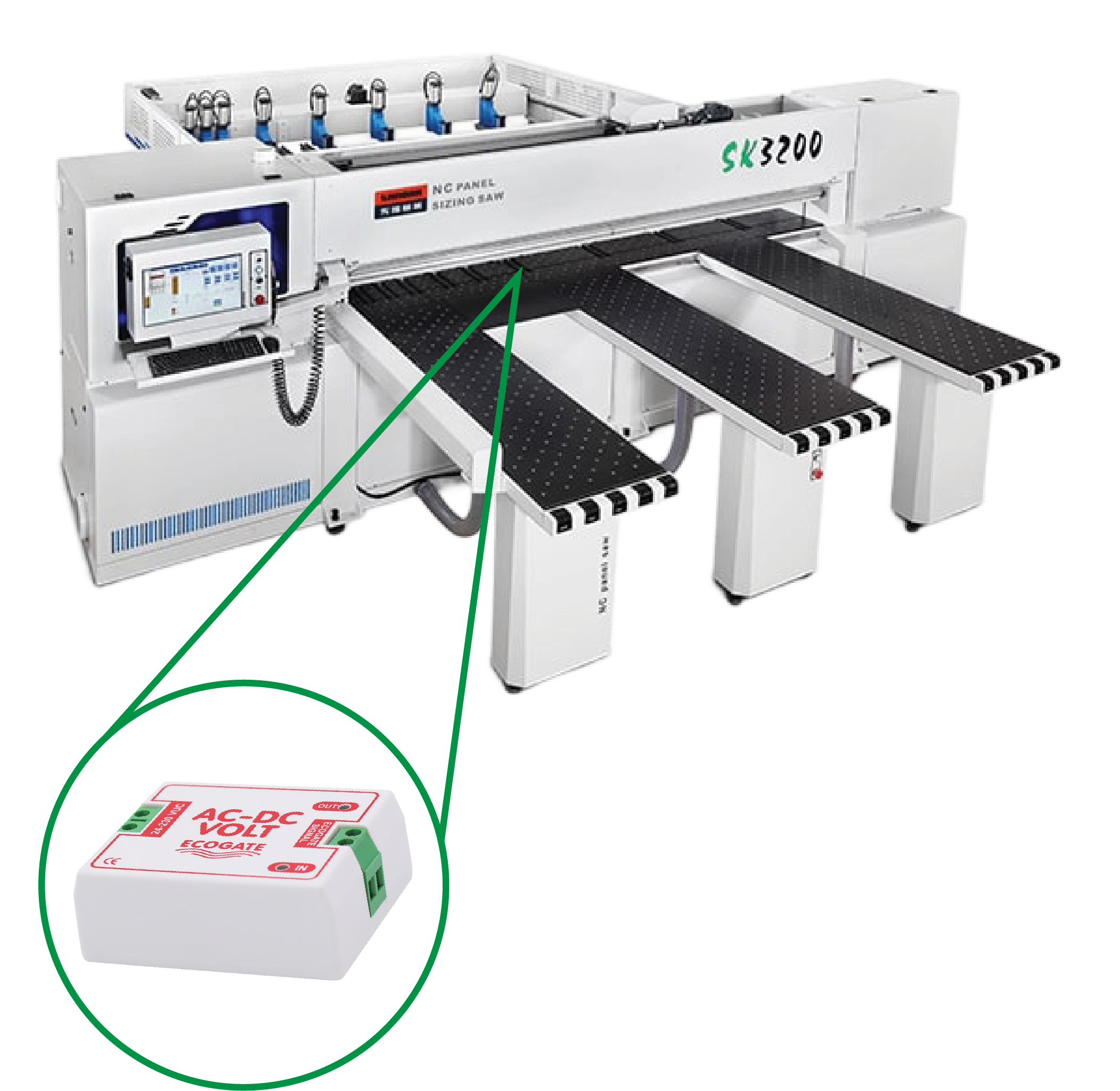
Sense production demand
Activity sensors detect when a machine or collection point requires ventilation, so the system responds to real production demand.
Explore Workstation Activity Sensors →
Most woodworking dust collection systems ventilate every machine at full design airflow, even when only part of the shop is cutting. Ecogate directs airflow to active machines, adjusts dust collector fan speed, and maintains the minimum transport velocities configured for the duct system.
The result is an industrial wood dust collection system that responds to production in real time, reduces fan electricity use by 66% on average, and gives your team clear operating data.
Trusted by woodworking manufacturers worldwide







Woodworking equipment cycles through cutting, loading, setup, tool changes, programming, cleanup, and material handling. Ecogate measures when each workstation actually requires collection, revealing the difference between connected machine capacity and simultaneous airflow demand.
Actual workstation-utilization data from a U.S. woodworking facility.
Machine activity becomes a continuously updated airflow requirement. Ecogate senses demand, opens the right gates, protects configured transport velocity, adjusts fan speed, and documents performance without adding steps for operators.
Activity sensors detect when a machine or collection point requires ventilation, so the system responds to real production demand.
Explore Workstation Activity Sensors →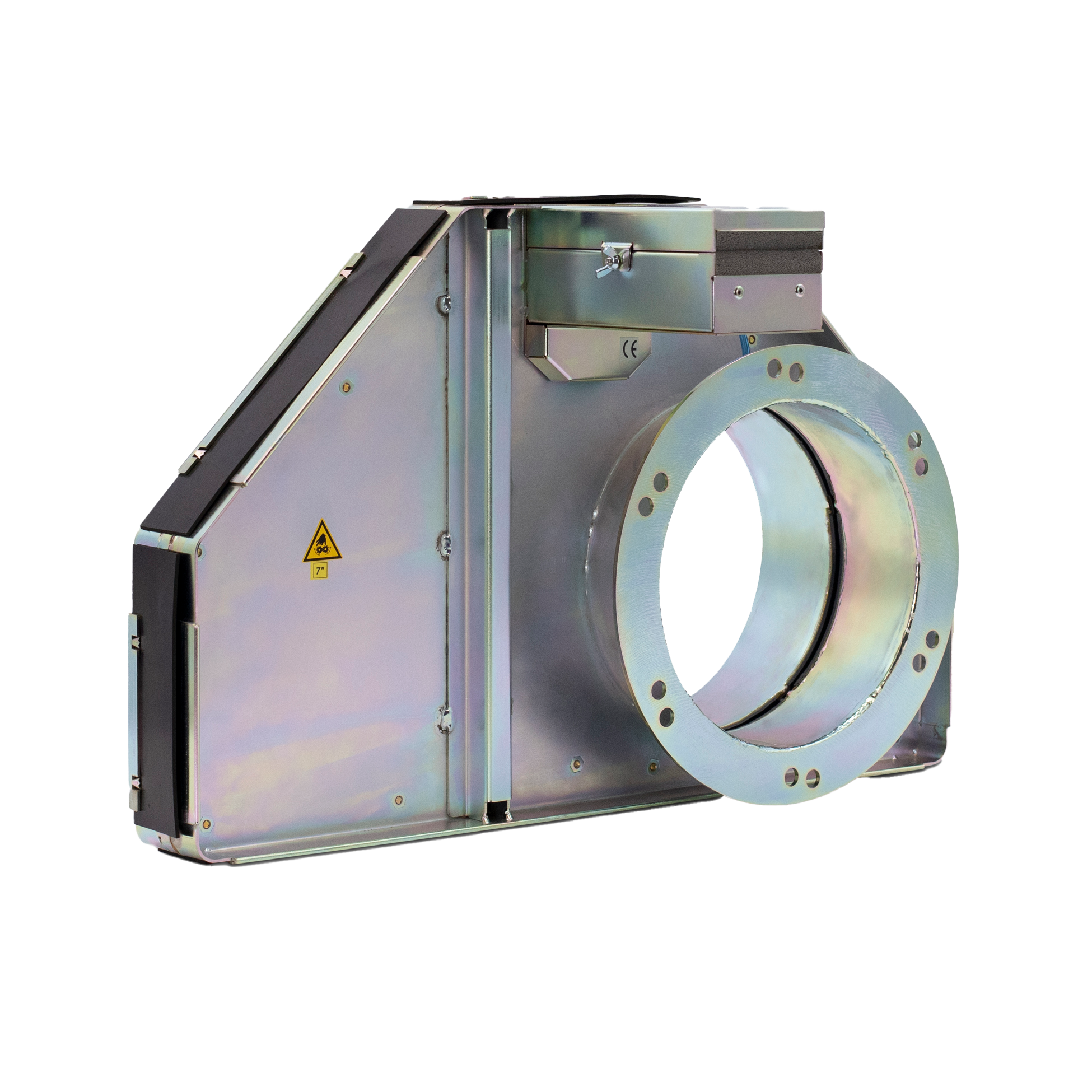
The corresponding automatic gate opens to direct airflow to the active workstation. Smart and Precision Airflow Gates can also report pressure, velocity, and volume.
Explore Ecogate Smart Gates →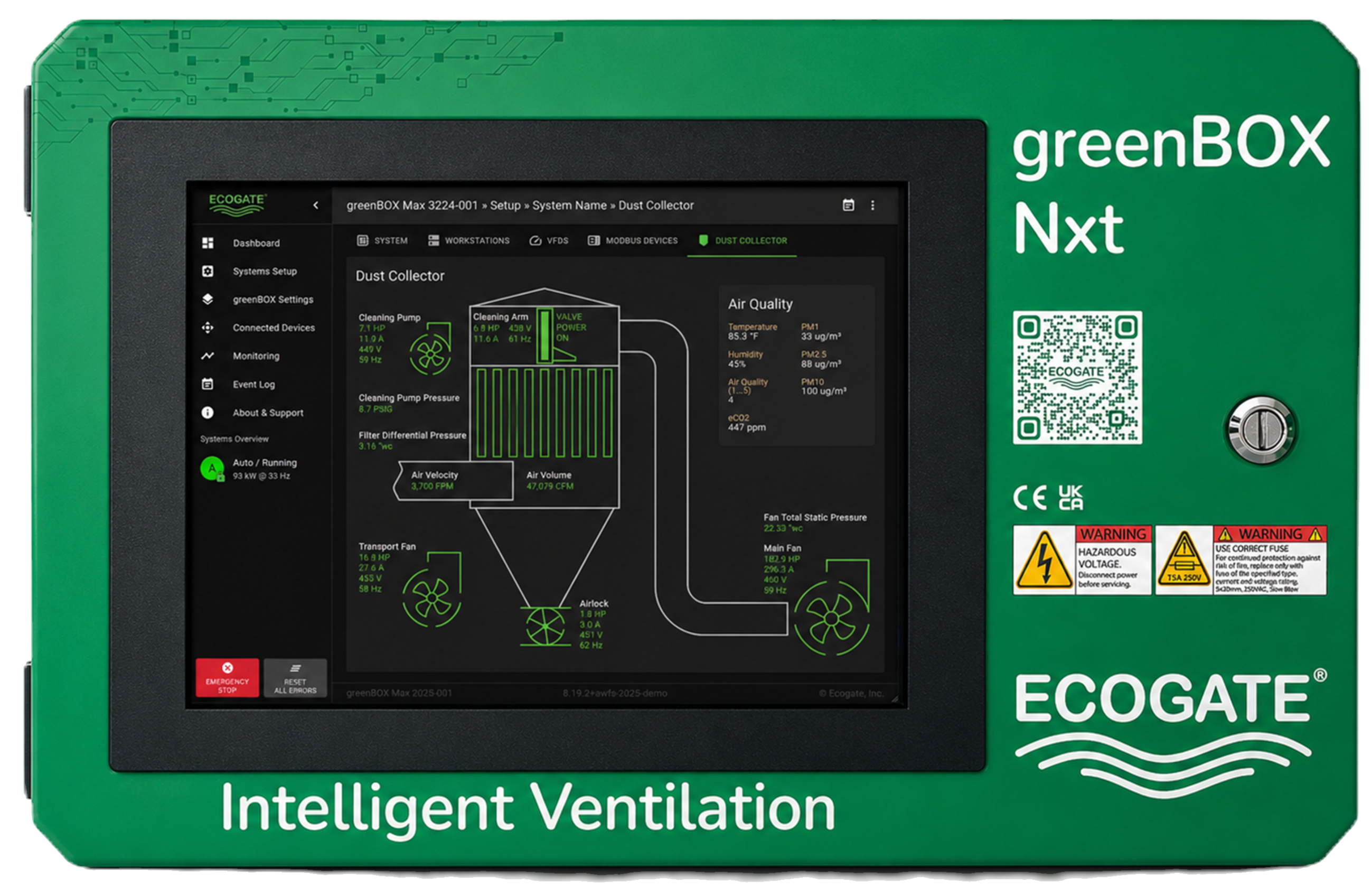
The greenBOX combines demand across the duct system, calculates the required fan airflow, and protects the configured minimum transport velocity.
Explore the greenBOX →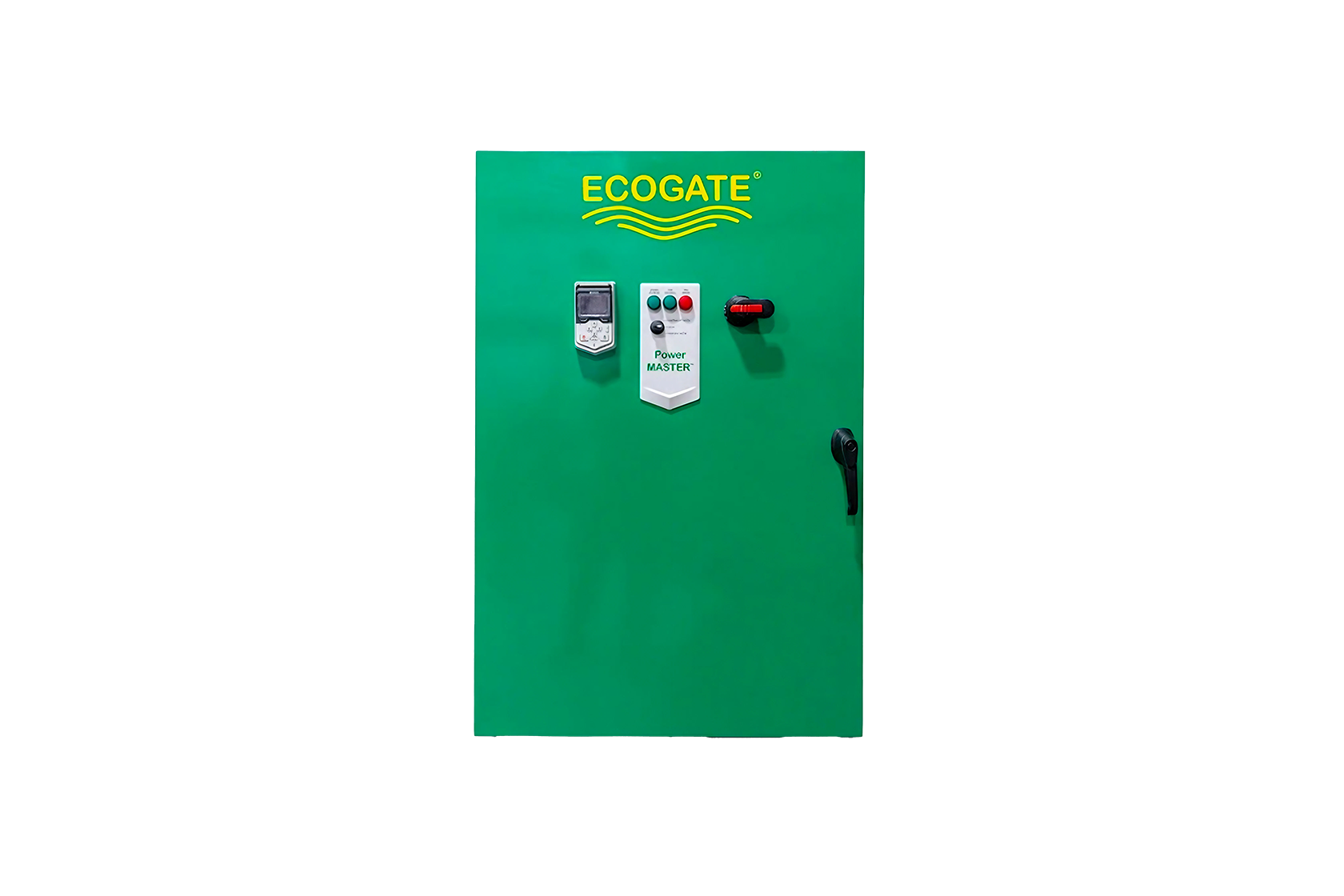
Power Master follows the airflow command from the greenBOX and regulates fan speed as the combination of active workstations changes.
Explore Power Master VFD →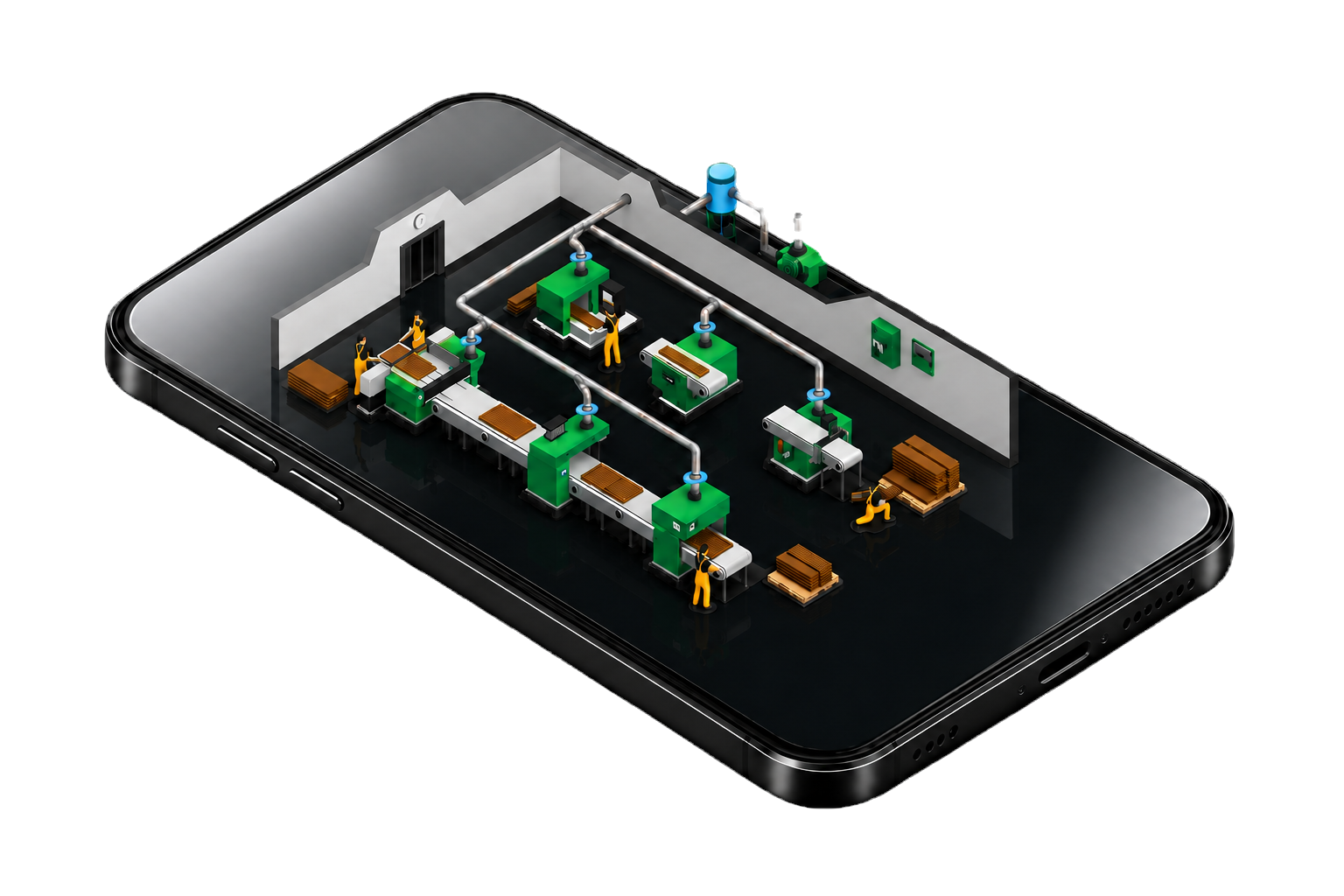
System measurements and Ecogate Analytics make airflow, pressure, fan power, savings, utilization, and performance visible.
Explore Ecogate Analytics →An effective wood dust collection system must capture sawdust and wood chips at each machine, convey the material through properly sized ductwork, and deliver it to the dust collector at the required airflow and transport velocity. A weak hood, restrictive branch, undersized main duct, or overloaded filter can limit the entire system.
Saws, sanders, CNC routers, moulders, planers, and other woodworking machines need an effective hood, enclosure, or dust port plus the required airflow and capture velocity. Ecogate directs collection to the active workstation without reducing its configured design airflow.
Wood dust and chips must remain suspended as they move through branch and main ducts. The greenBOX coordinates automatic gates and fan demand to maintain configured minimum transport velocity across as many as 10 duct zones in Smart Systems.
The dust collector, separator, filters, and fan must be selected for the material, airflow, and system pressure. Ecogate controls airflow demand and can monitor operating conditions; it does not replace properly designed collection, fire, or explosion-protection equipment.
Depending on the system configuration, Ecogate can provide visibility into fan pressure, dust collector filter differential pressure, duct air velocity, air volume, fan power, and workstation utilization. This turns an industrial dust collection system from a largely invisible utility into a measurable production asset.
Read the Maintaining Velocities Paper →NFPA 660 consolidates combustible dust requirements that previously appeared across standards including NFPA 652 and NFPA 664. For woodworking systems that use gates or dampers, a central concern is preventing their operation from reducing conveying velocity below the system's design minimum.
A properly designed, installed, and calibrated Ecogate system is designed to fulfill this control-system requirement by maintaining configured minimum transport velocities as workstation gates open and close.
Discuss your system with an engineer →Ecogate does not, by itself, guarantee complete facility compliance with NFPA 660. Ecogate engineering can review an existing system or help design a new one, including airflow measurements, fan and duct analysis, stamped drawings where applicable, and technical coordination with inspectors and fire marshals.
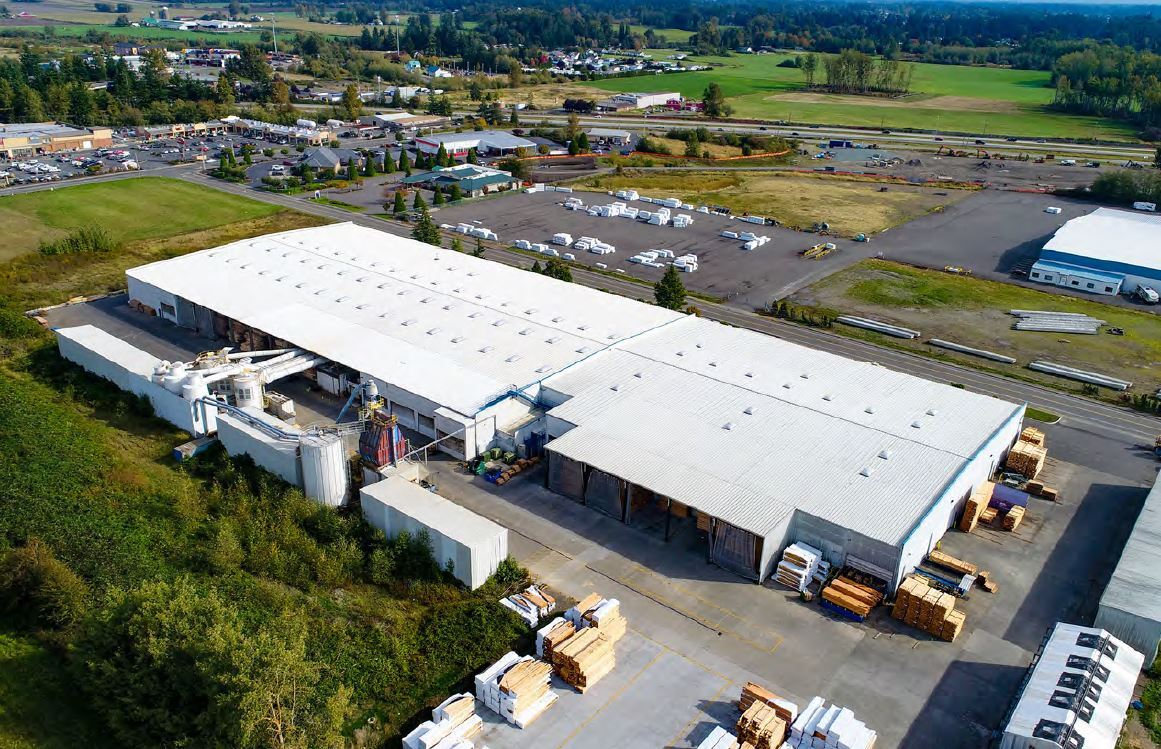 Metrie, Ferndale, Washington
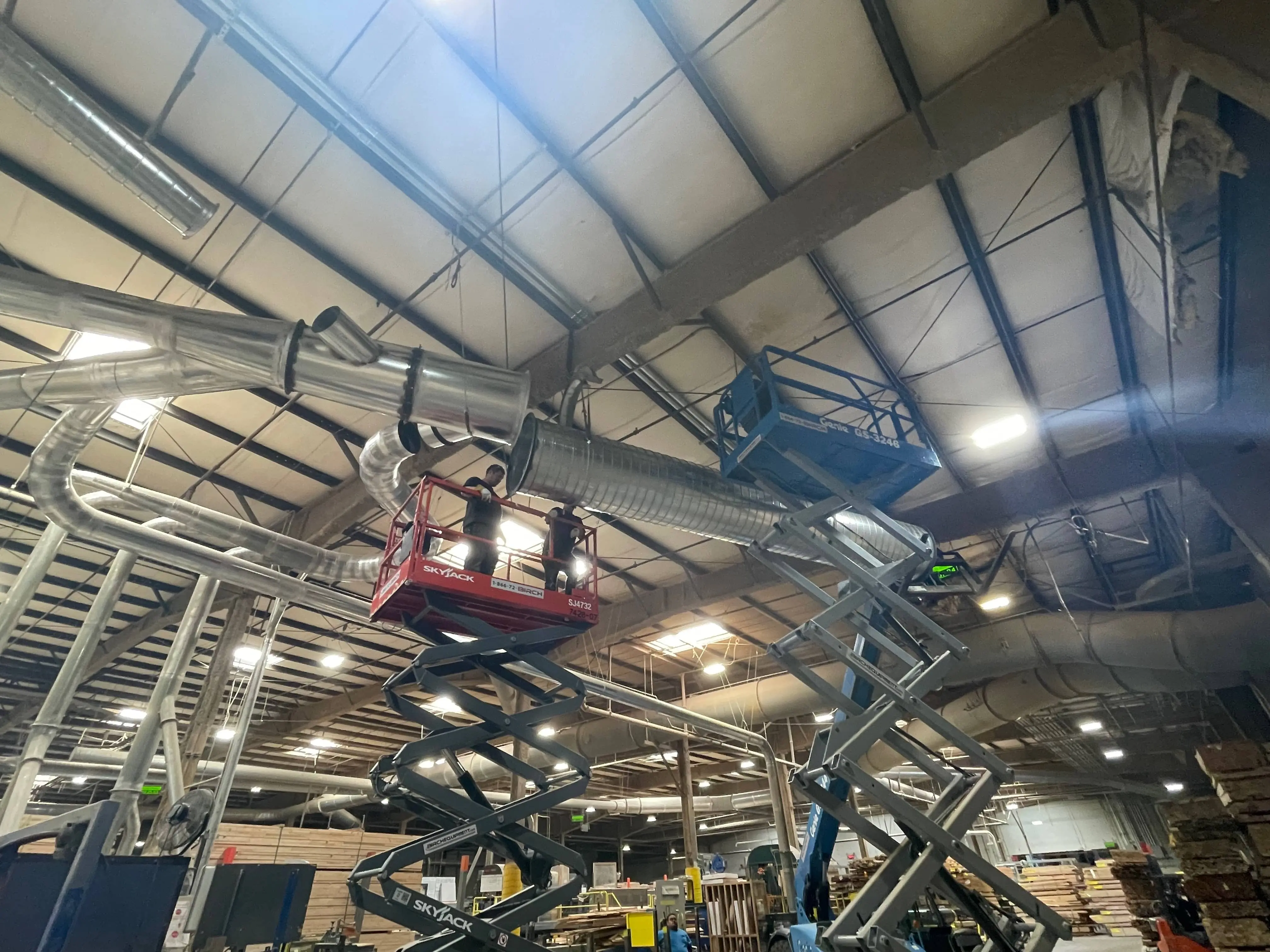 Interior main duct installation
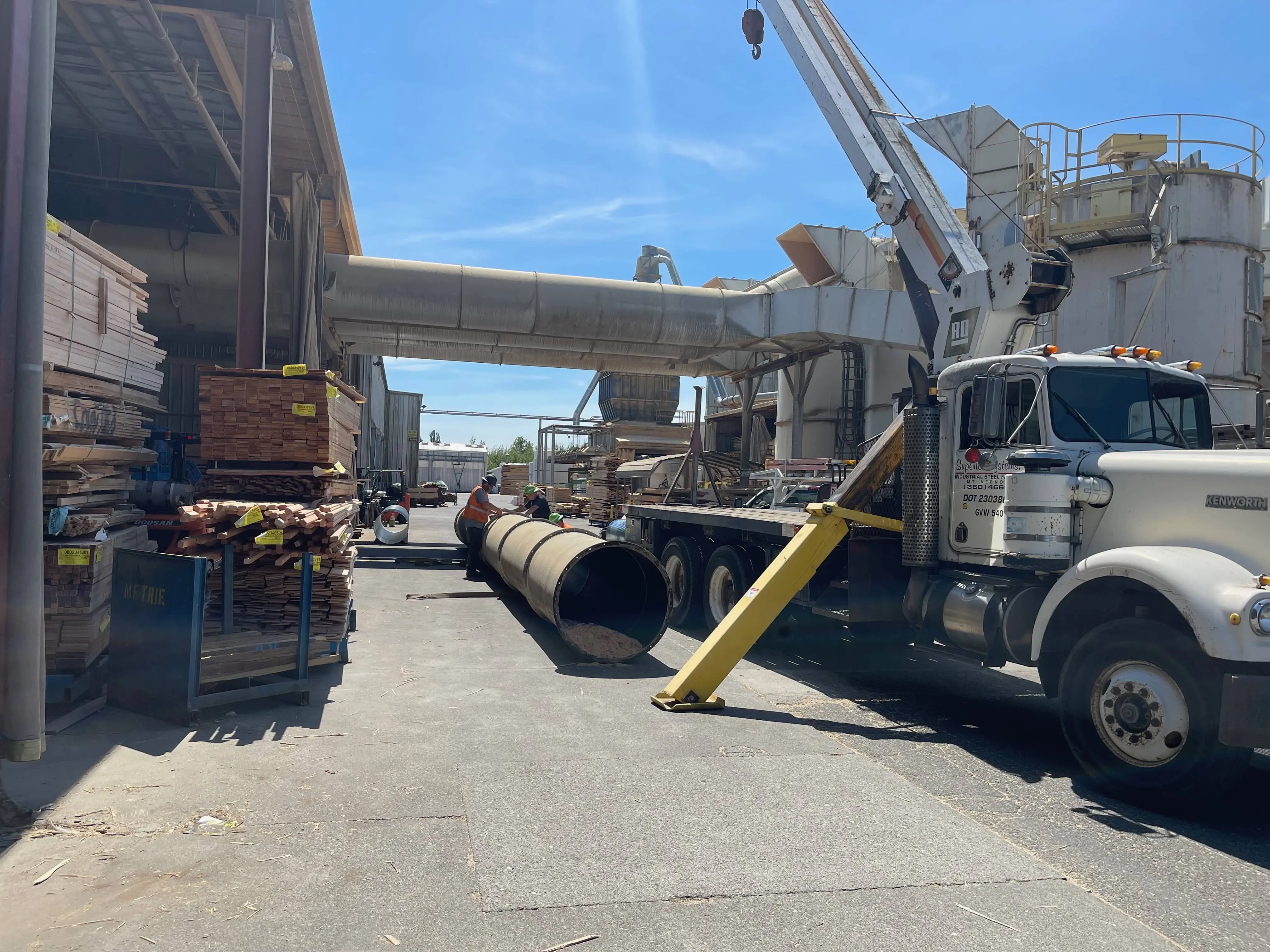 Exterior main duct installation
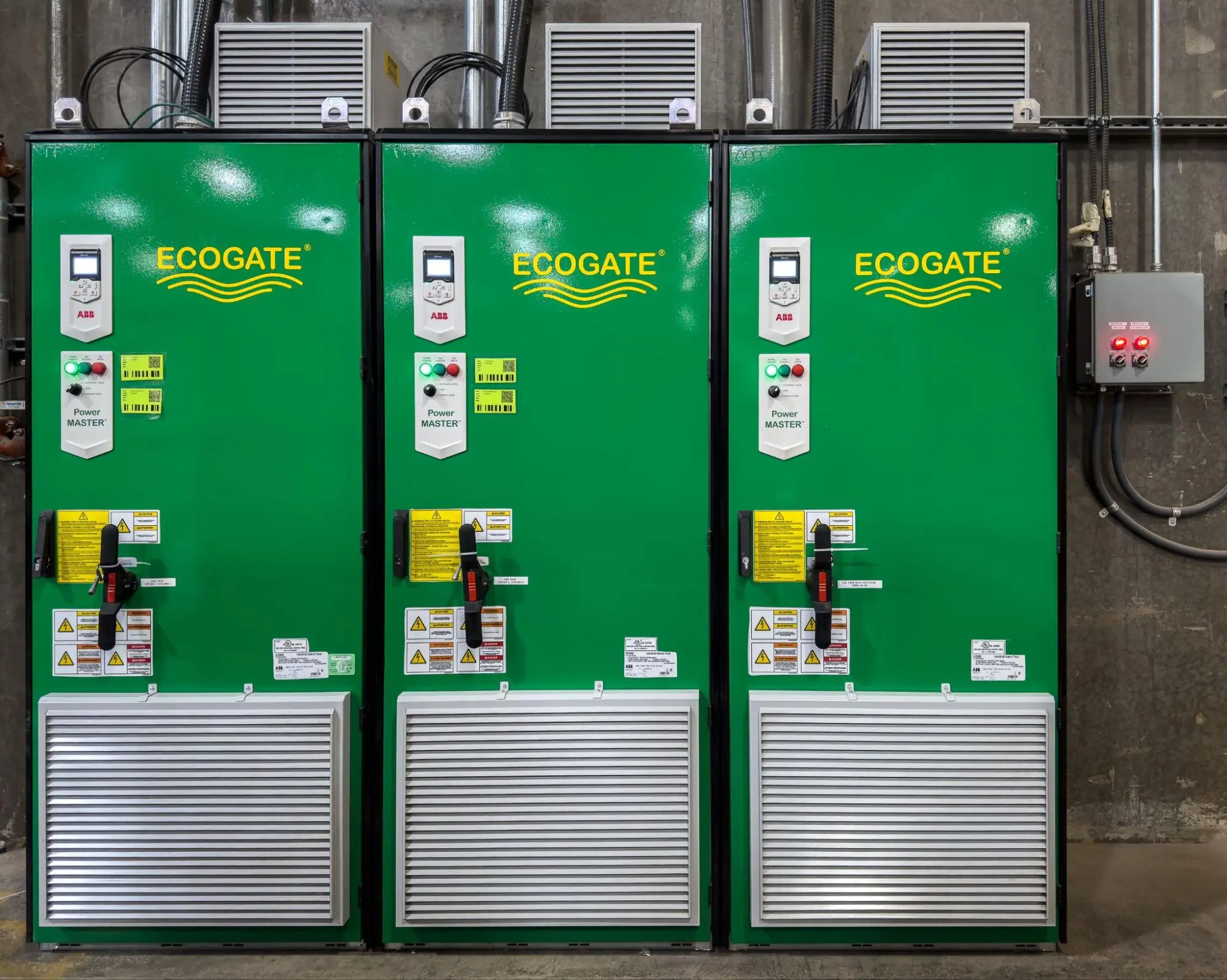 Three Power Master VFDs
At its Ferndale moulding facility, Metrie operated three dust collection systems powered by two 250 HP fans and one 200 HP fan. Together, the fans accounted for more than 60% of the plant's electricity use.
Ecogate's assessment found that the existing main duct velocities were not suitable for achieving the desired savings with on-demand control alone. The final project combined resized main duct lines with the greenBOX Nxt, Smart Gates, workstation activity sensors, three Power Master VFDs, and Dust Collector Interfaces.
Metrie's experience shows why the best upgrade is based on measured conditions, not assumptions. Sometimes existing equipment can be controlled as-is. In other cases, targeted duct changes create the operating range needed to unlock greater savings.
Read the Metrie Success Story →By closing collection points that are not producing dust, Ecogate can make airflow available to active workstations. Where fan, duct, collector, and protection-system limits allow, that recovered capacity can support production changes or additional machines without immediately adding another collector.
Reducing exhaust airflow can lower the volume of outdoor make-up air that must be heated or cooled. The additional energy benefit depends on climate, return-air arrangements, and the facility's HVAC design.
Operating the fan at lower speed when demand falls can reduce ventilation noise. Lower average airflow may also reduce stress on filters, ductwork, and collector components, subject to the system's design and operating conditions.
Sensors and automatic gates respond as machines start and stop, while the collector follows the proper control sequence. Operators can focus on production instead of managing manual blast gates or remembering a separate fan routine.
Ecogate Analytics can document electricity savings, workstation utilization, fan and filter pressure, air volume, and system events. That visibility supports maintenance, troubleshooting, production planning, and sustainability reporting.
Ecogate projects commonly achieve a 1 to 3 year return on investment, often in less than 2 years. Utility incentives may cover 50% to 70% of qualified project costs, although program eligibility, funding, and final incentive amounts vary.
Ecogate can be applied to new and existing woodworking dust collection systems, from smaller production shops to large industrial plants. The best starting point is an engineering review of how the system performs today.
Ecogate is not only for large facilities. Smaller woodworking shops may also be strong candidates when a dust collector fan operates for long shifts, machines run intermittently, conditioned air is exhausted, or limited collection capacity constrains growth. The right fit depends on fan load, operating hours, machine utilization, duct conditions, and the available savings opportunity, not simply shop size.
If measurements show that fan speed cannot be reduced while maintaining the required transport velocity, Ecogate will identify the constraint. The recommendation may include duct modifications, fan or collector changes, or a different project scope. The goal is a technically sound business case, not a savings estimate built on guesswork.
An on-demand system automatically adjusts airflow to current production activity. Sensors identify machines that are producing dust, automatic gates direct airflow to those machines, and a control system adjusts fan speed while maintaining the required transport velocities in the ductwork.
Ecogate systems reduce dust collection fan electricity use by 66% on average. Actual savings depend on fan horsepower, operating hours, workstation utilization, duct design, existing air velocities, electricity rates, and the amount of fan-speed reduction available within the system's safe operating range.
Often, yes. Ecogate can reuse a properly selected fan and dust collector when the equipment, fan curve, motor, ductwork, and control interfaces are suitable. An engineering assessment determines whether the existing system can support on-demand operation and whether targeted modifications would improve safety, performance, or savings.
No. A VFD can change fan speed, but it does not know which machines need airflow or whether the duct system is maintaining the required transport velocity. Effective on-demand control coordinates workstation sensors, automatic gates, airflow calculations, fan-speed control, and system monitoring.
They should not when the system is properly designed and calibrated. Active machine drops must continue to receive their required design airflow. Ecogate reduces unnecessary airflow at inactive workstations and adjusts total fan output to current demand while maintaining configured operating requirements.
The greenBOX evaluates the air volume required by active workstations and the minimum airflow configured for the main ducts and duct zones. If more airflow is needed for material transport, it opens selected inactive gates or designated bleed gates before adjusting the fan to the required speed.
Ecogate is designed to fulfill the relevant control-system requirement for maintaining minimum transport velocity when gates or dampers are used, provided the system is properly designed, installed, and calibrated. It does not guarantee complete facility compliance. NFPA 660 compliance also depends on the Dust Hazard Analysis, collection equipment, explosion and fire protection, duct design, housekeeping, operating practices, and the Authority Having Jurisdiction.
It can in suitable systems. By directing airflow away from inactive machines, the system may make capacity available for other active workstations. Any expansion must remain within the limits of the fan, collector, ductwork, protection systems, and configured maximum airflow.
Many electric utilities offer incentives for verified energy-efficiency projects. Incentives commonly cover 50% to 70% of qualified Ecogate project costs, but programs, eligibility rules, and funding vary. Ecogate can help document the engineering and savings calculations required for an application.
Ecogate can measure how your current system operates, determine whether on-demand control is technically appropriate, estimate the available energy savings, and help build a project plan around your facility's real production demand.